Taking Control: How Custom Exercise Plans Make Living with Diabetes Easier
- Innovate Exercise Physiology
- 2 days ago
- 3 min read
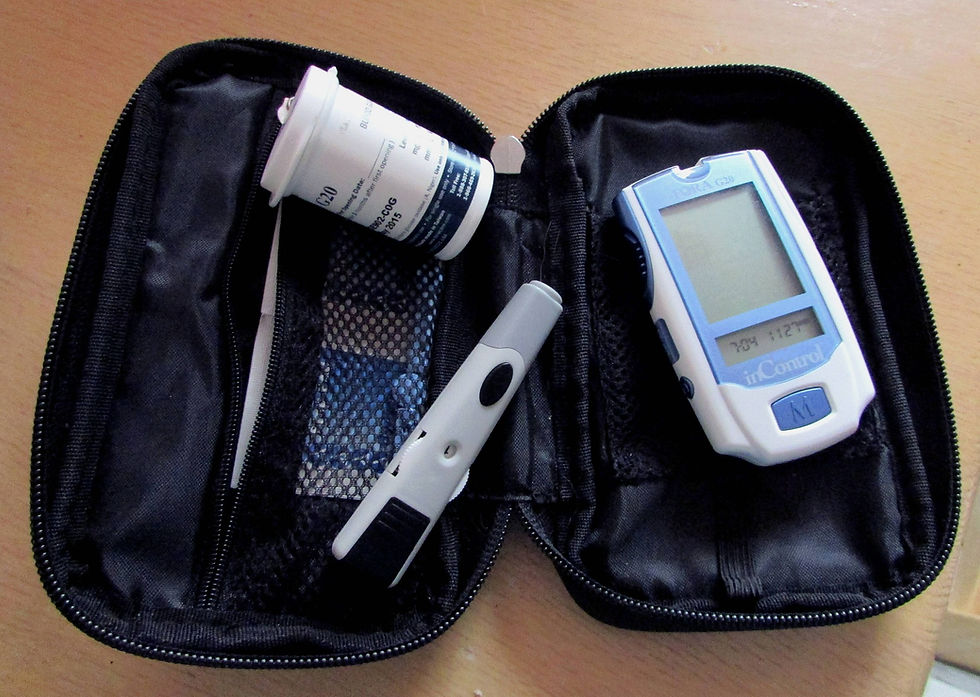
Every year, National Diabetes Week shines a spotlight on a condition that impacts millions of Australians and their families. While conversations rightly focus on regular blood monitoring, life-saving diabetes technology, and dietary choices, there is another cornerstone of diabetes management that deserves centre stage: structured physical activity.
At Innovate Exercise Physiology, we view exercise not simply as a tool for weight loss or cardiovascular fitness, but as a potent, non-pharmacological form of medicine. If you are living with Type 1, Type 2, or Gestational Diabetes, partnering with an Accredited Exercise Physiologist (AEP) could completely change how you manage your condition.
The Science: How Exercise Mimics Insulin
To understand why exercise is so critical, we have to look at what happens inside your body when you move. Normally, your body relies on the hormone insulin to usher glucose out of your bloodstream and into your cells to be used for energy. For those with insulin resistance or insufficient insulin production, this process breaks down, leading to elevated blood sugar levels.
However, muscle contraction acts as a natural bypass system. When your muscles contract during exercise, they stimulate glucose transport proteins (specifically one called GLUT4) to migrate to the cell surface. This allows your cells to absorb glucose directly from the blood independently of insulin. In essence, exercise clears sugar from your bloodstream naturally. Furthermore, a single exercise session can boost your insulin sensitivity for 24 to 48 hours afterwards, making your body significantly more efficient at processing food.
Resistance vs. Aerobic Exercise: Why You Need Both
A common misconception is that diabetes management only requires a brisk walk or a light jog. While aerobic exercise is fantastic for heart health and daily glucose burn, resistance training (weight or strength training) is equally vital.
Think of your muscles as storage tanks for glucose. The more lean muscle mass you have, the larger your "storage capacity" becomes. Resistance training helps build and maintain this muscle, providing a long-term buffer against blood sugar spikes. A well-rounded management plan should seamlessly blend cardiovascular activities with strength training—something an AEP is uniquely qualified to program safely for you.
Why See an Accredited Exercise Physiologist?
If exercise is medicine, then dosage, timing, and type matter immensely. Randomly starting an intense gym routine can sometimes cause unexpected blood sugar drops (hypoglycemia) or unexpected spikes due to stress hormones.
An Accredited Exercise Physiologist understands the complex interplay between different types of exercise, medications (like insulin or metformin), and your body's physiological responses. When you work with an AEP, your care is highly individualised. We help you:
Time your workouts: Aligning activity with your meals and medication schedules to avoid dangerous blood sugar fluctuations.
Prevent injuries: Designing low-impact options if you experience complications like diabetic neuropathy (numbness or pain in the feet) or joint stiffness.
Monitor safely: Teaching you what to look out for before, during, and after a workout.
Keep it sustainable: Creating a realistic plan that fits your lifestyle, preferences, and long-term health goals.
Taking the First Step This National Diabetes Week
Managing diabetes is a 24/7 job that can often feel overwhelming. You don’t have to carry the load entirely on your own. Allied health professionals, like Exercise Physiologists, are here to provide practical, empowering strategies that put you back in the driver's seat of your health.
If you or a loved one is living with diabetes and want to explore how tailored movement can lower your HbA1c, boost your energy, and protect your long-term wellbeing, reach out to us.
Tip: Speak to your General Practitioner about a Chronic Disease Management plan. You may be eligible for a Medicare referral that grants you subsidised access to our Exercise Physiology services.
Ready to start your journey? Contact the team at Innovate Exercise Physiology today to book your initial consultation.


Comments